Which face paint do you actually need?
Water-activated, cream, oil or a stick. Four formulas, four different failures, and how to pick before you are standing at a mirror.
There are four ways to put colour on a face, and the difference between them is not quality. It is behaviour. Each one covers, blends, sets and comes off differently, and each one fails in a place the other three do not. Pick by where the evening happens and you will be right most of the time.
We hold 269 pieces on the bench. Sorted by formula they fall out like this, and the split is lopsided for a reason: most people are painting a whole face, and a whole face wants a cake or a cream.
| Formula | Pieces on the bench | What it is for |
|---|---|---|
| Water-activated | 59 | parties, queues, anything that has to wash off with soap |
| Cream | 30 | bruises, wounds, anything that needs a soft edge |
| Oil-based | 25 | stage and camera, where coverage has to hold |
| Stick | 52 | eye black, fast lines, no water needed |
Water-activated
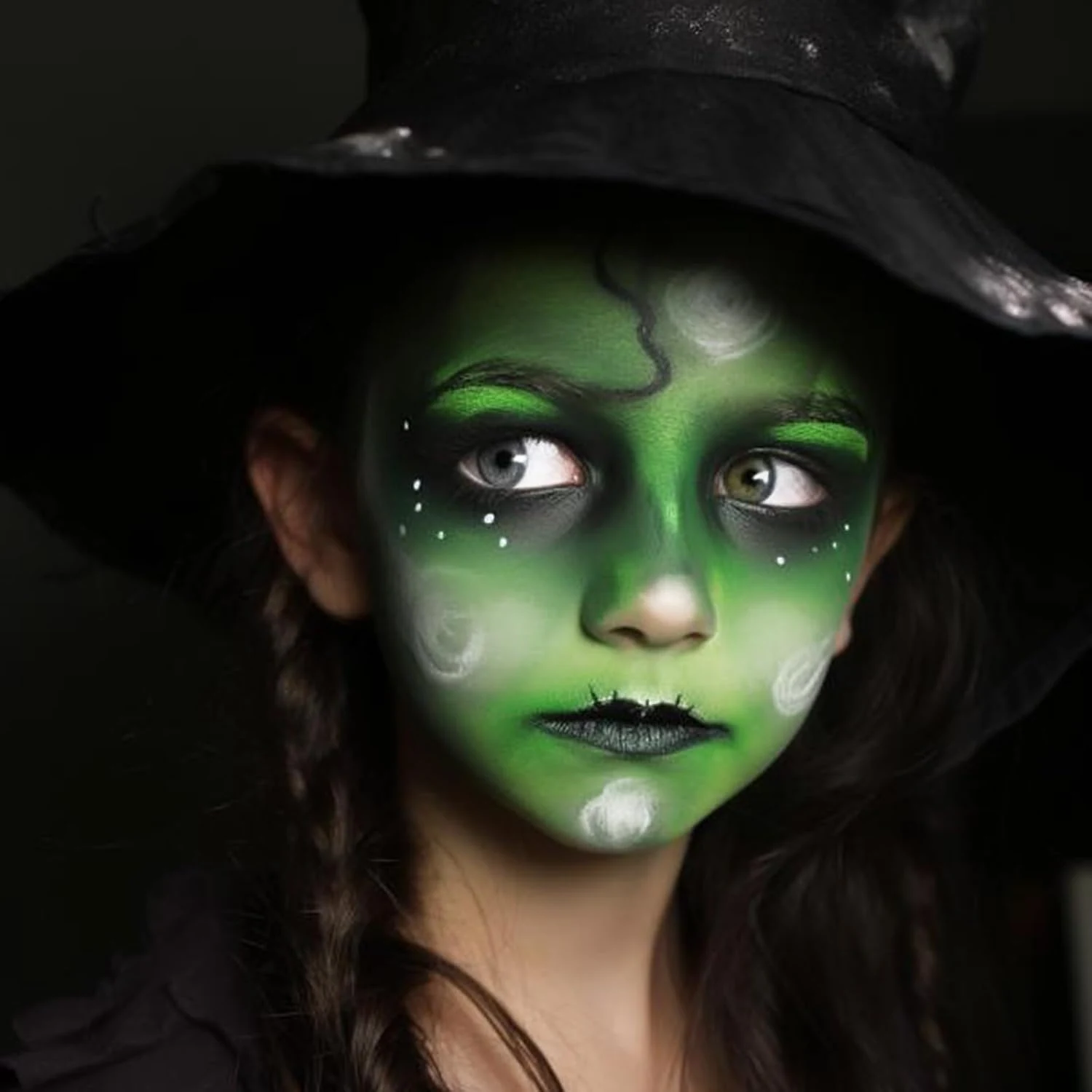
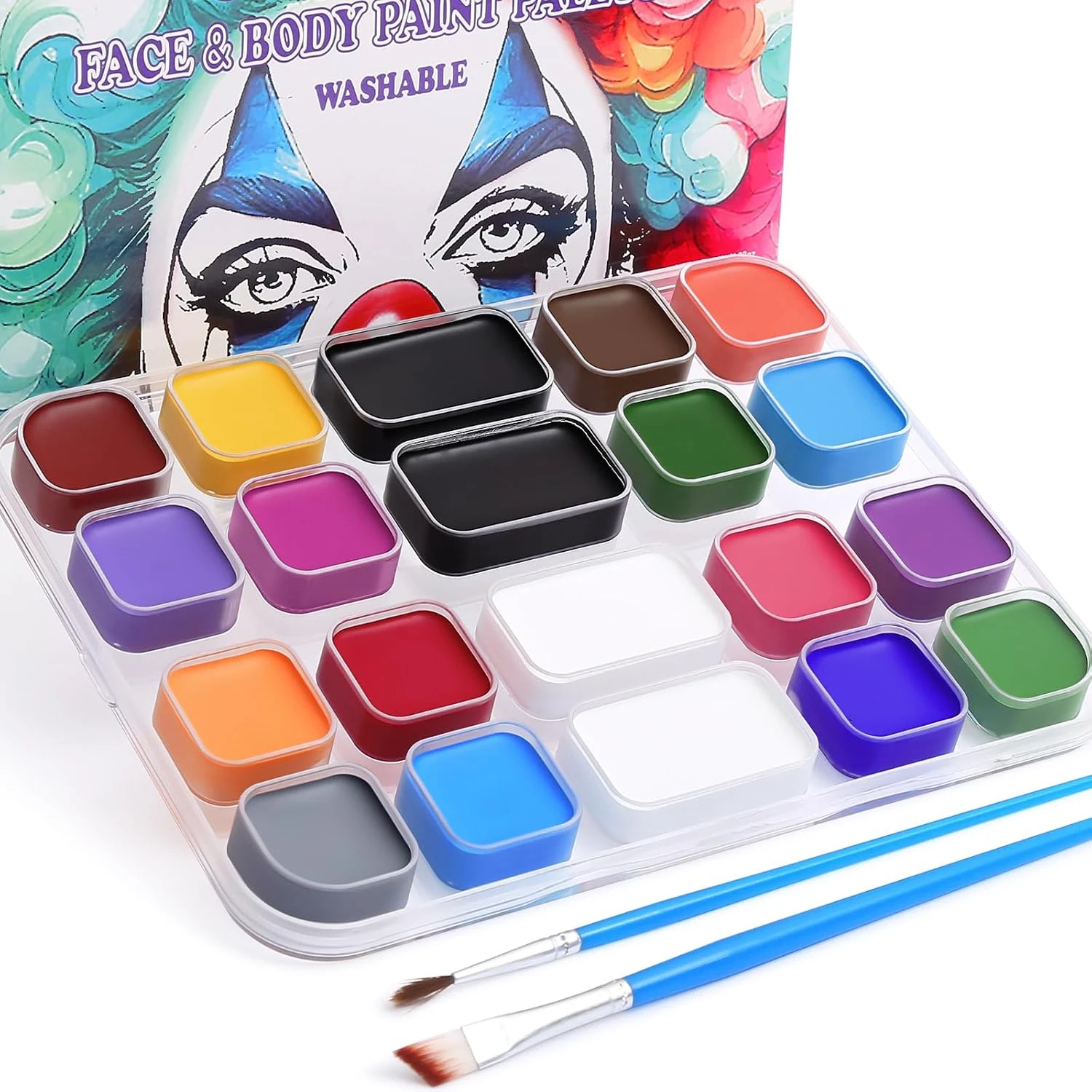
A cake of dry pigment that wakes up on a damp sponge or brush. It covers in one or two passes, dries matte in about a minute, and then stops movingand that is why face painters working a queue of children use almost nothing else.
The failure is water. Too much on the sponge and you get a thin streaky pass that looks like a wash rather than a coat. Too little and the cake will not release. There is a narrow correct dampness and it takes about three faces to find it.
It also does not blend. Once a cake has dried, an edge is an edge, and softening it means going back with a damp brush before it sets.
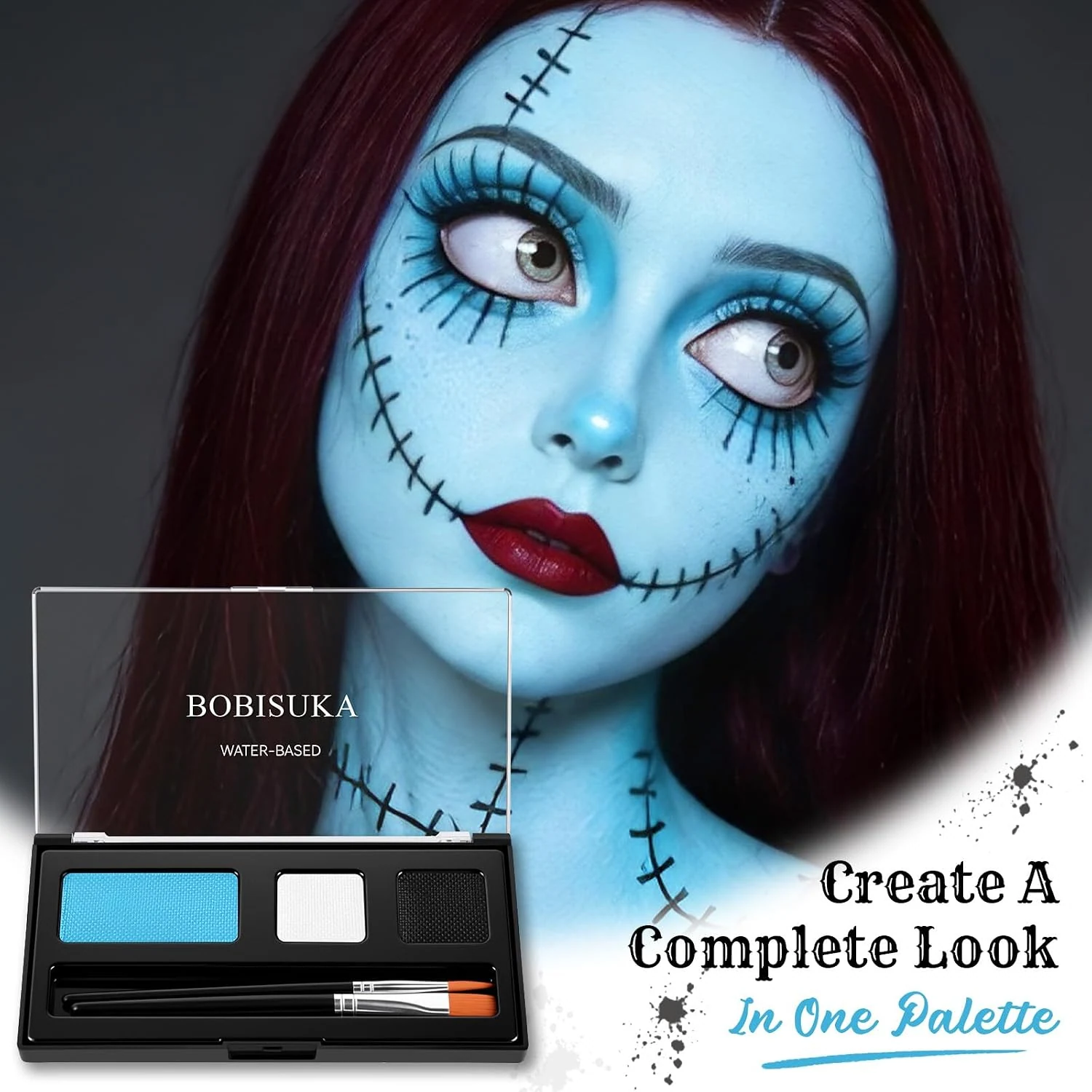
Cakes and palettes that take water
- 3-Color Red White & Blue Face Body Paint Kit Water Activated
3 shades · water-activated
4.4 out of 5 - 15 Color Face Body Paint Palette
15 shades · water-activated
4.6 out of 5$11.99 See What's Inside on Amazon - 18 Color Water-Activated Cream Face Paint Palette
18 shades · water-activated
4.3 out of 5$17.99 See What's Inside on Amazon
Cream
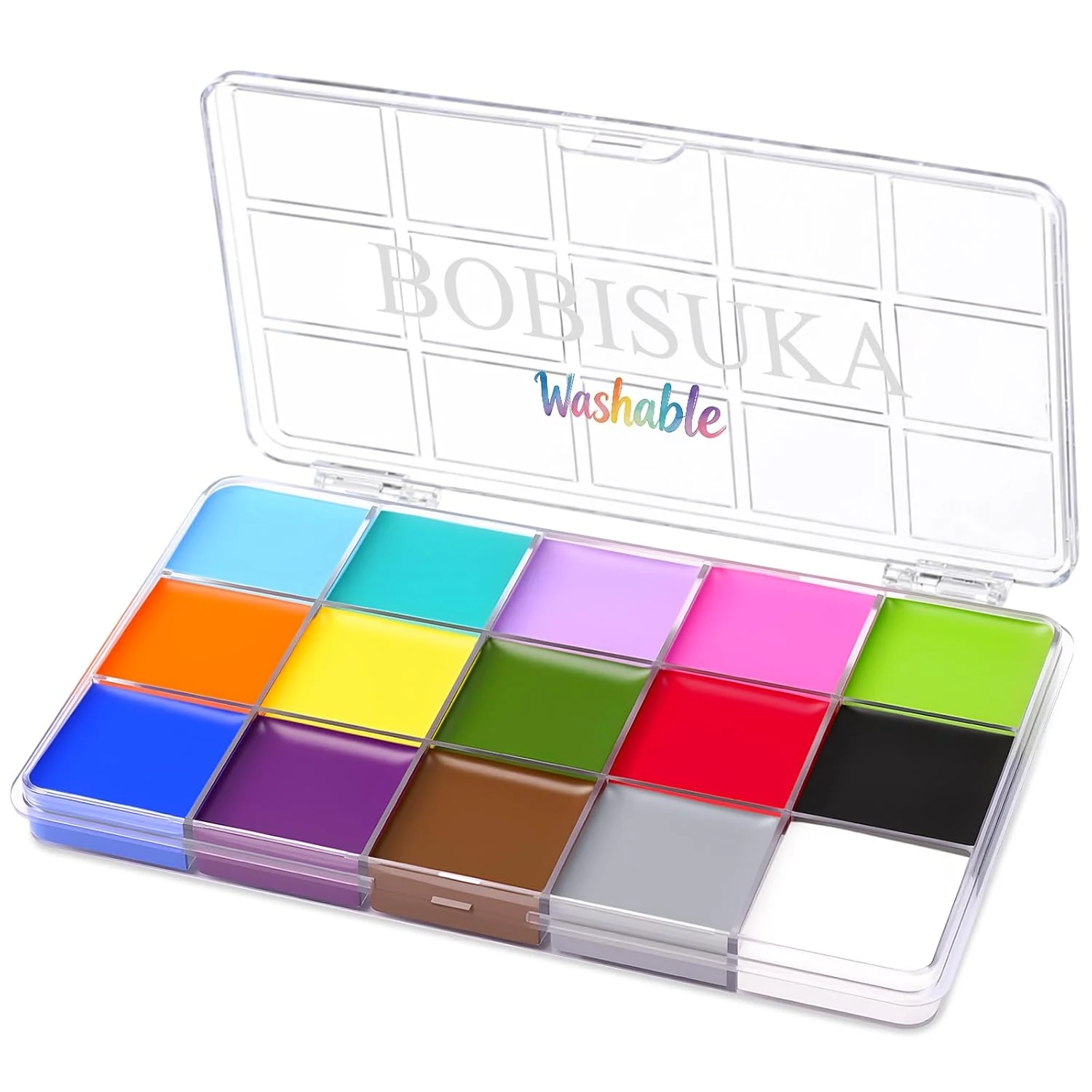
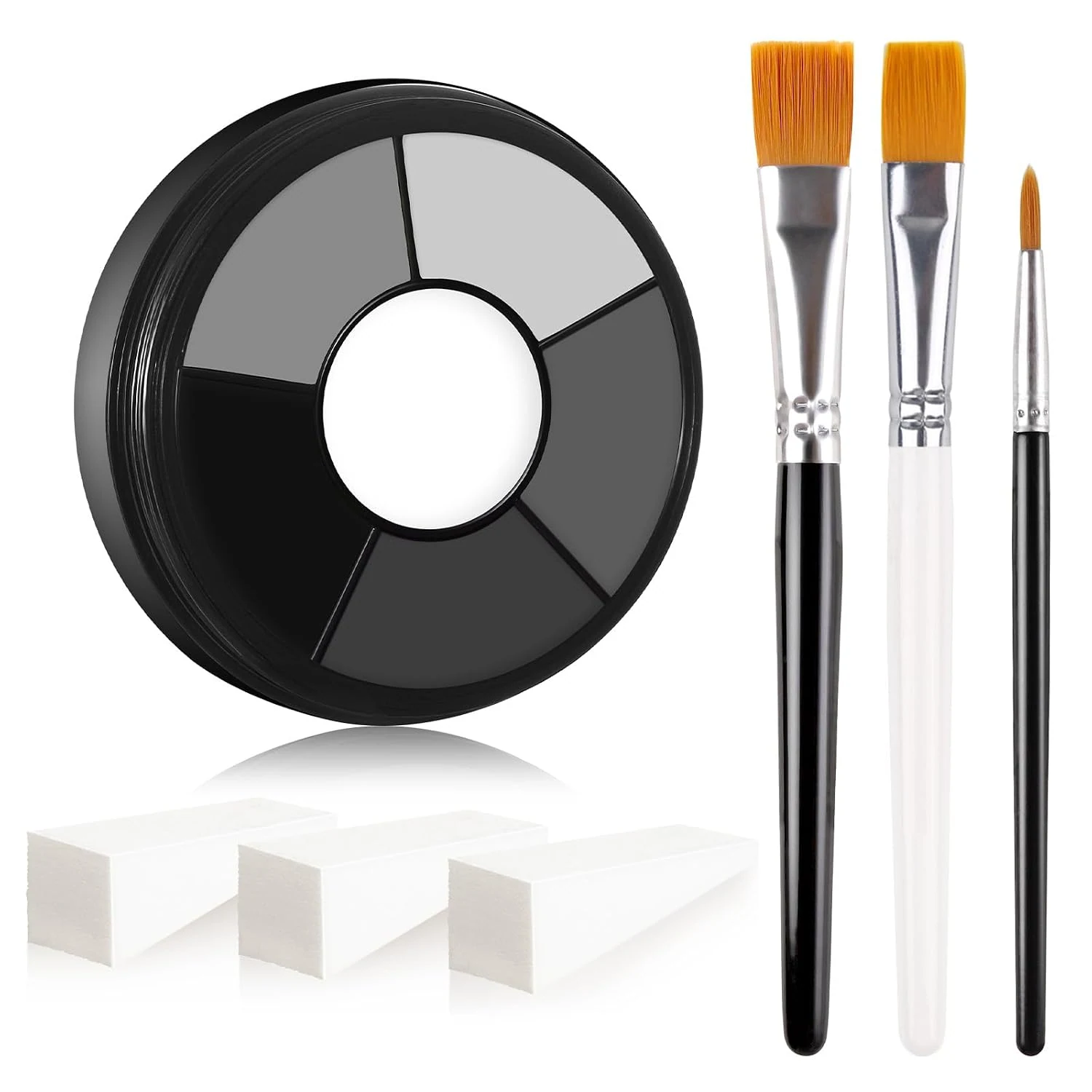
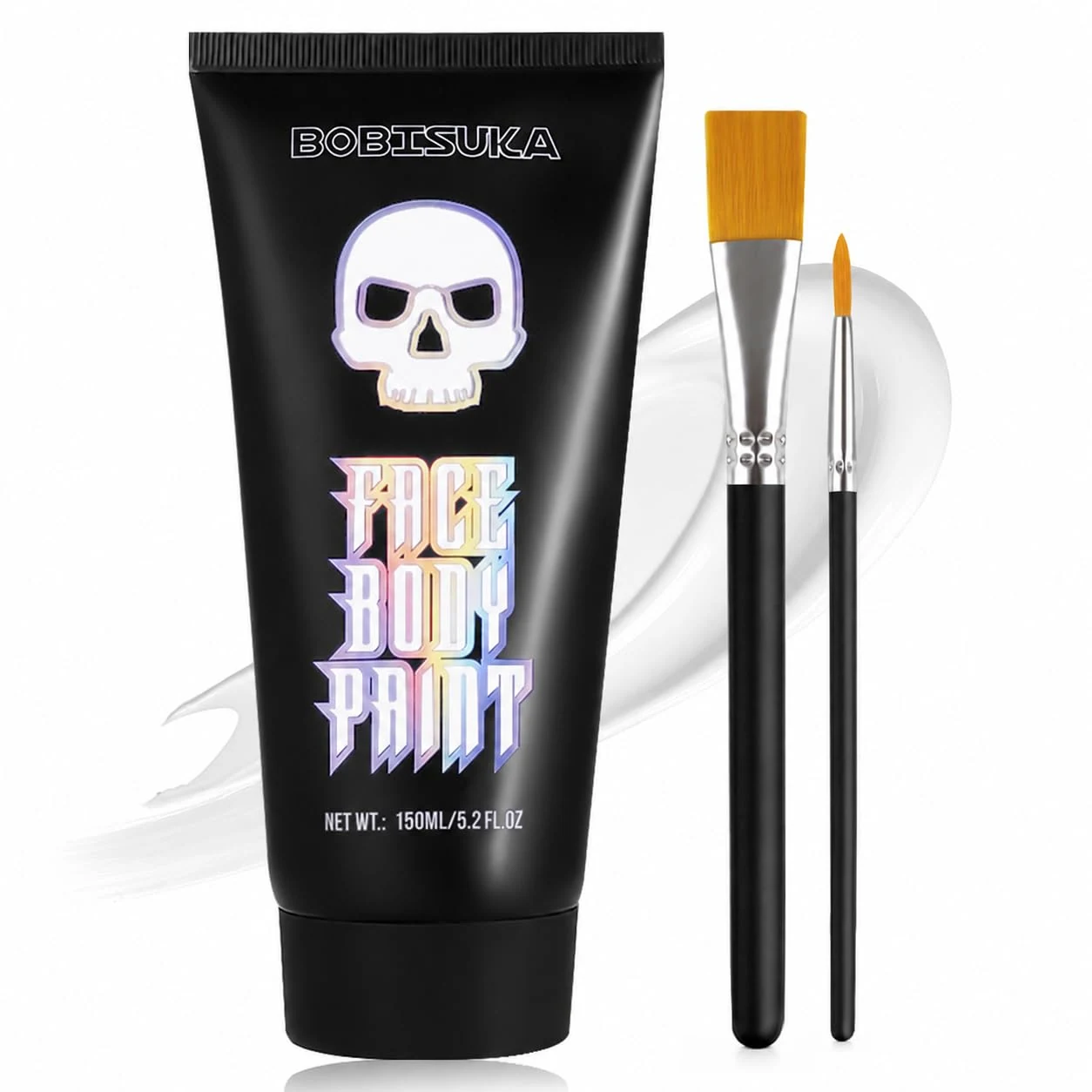
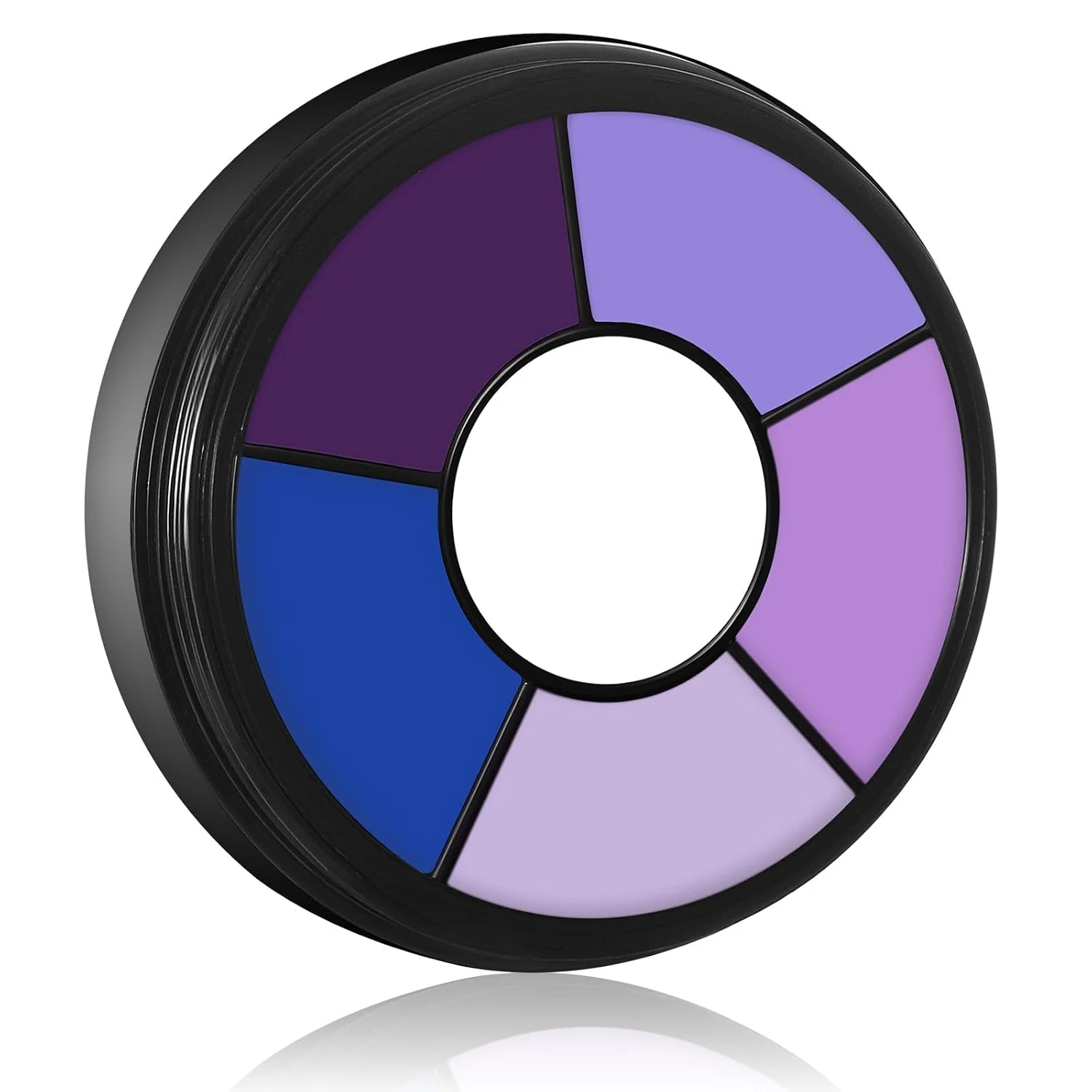
Cream paint comes out of a pot or a tube and stays workable under a finger. That is its whole advantage: you can push an edge with a fingertip until it stops looking drawn, which is what a believable bruise or a wound needs.
The cost is that it never sets by itself. Cream has to be powdered, and if it is not, it will transfer to a collar, a pillow, and anybody who hugs you. Powder it, press it, and it will hold for an evening.
Pots and palettes that stay workable
Oil-based
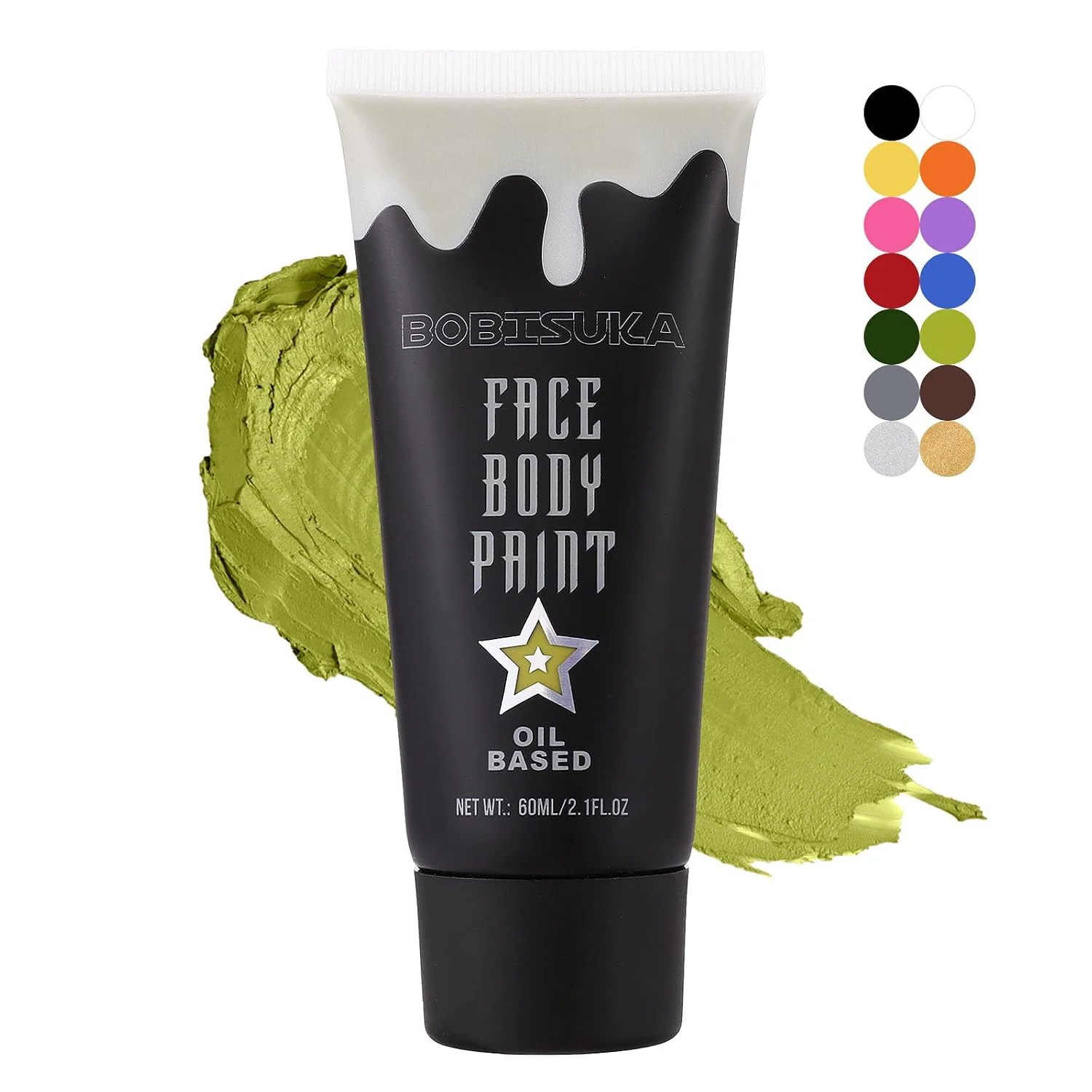
Oil covers hardest of the four. Under stage light it holds colour where a water cake goes chalky, and one pass will hide the skin underneath completely. Theatre and film use it for exactly that reason.
It is also the heaviest thing on the bench and the hardest to remove. Soap will move oil paint around rather than lift it, so it wants an oil, a balm or a cold cream, and it wants a few minutes. That is the trade, and it is a bad trade at a children's party and a good one on a stage.
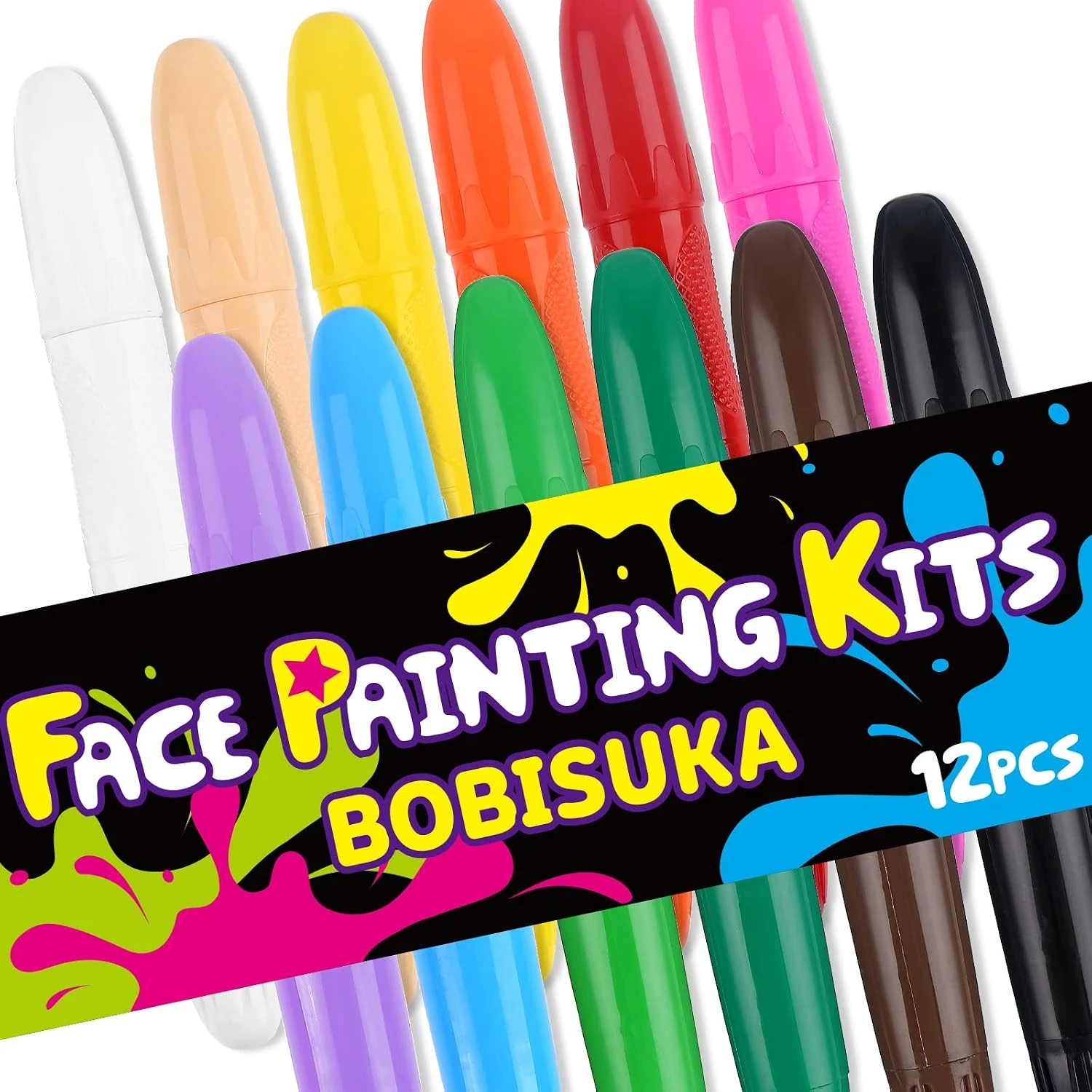
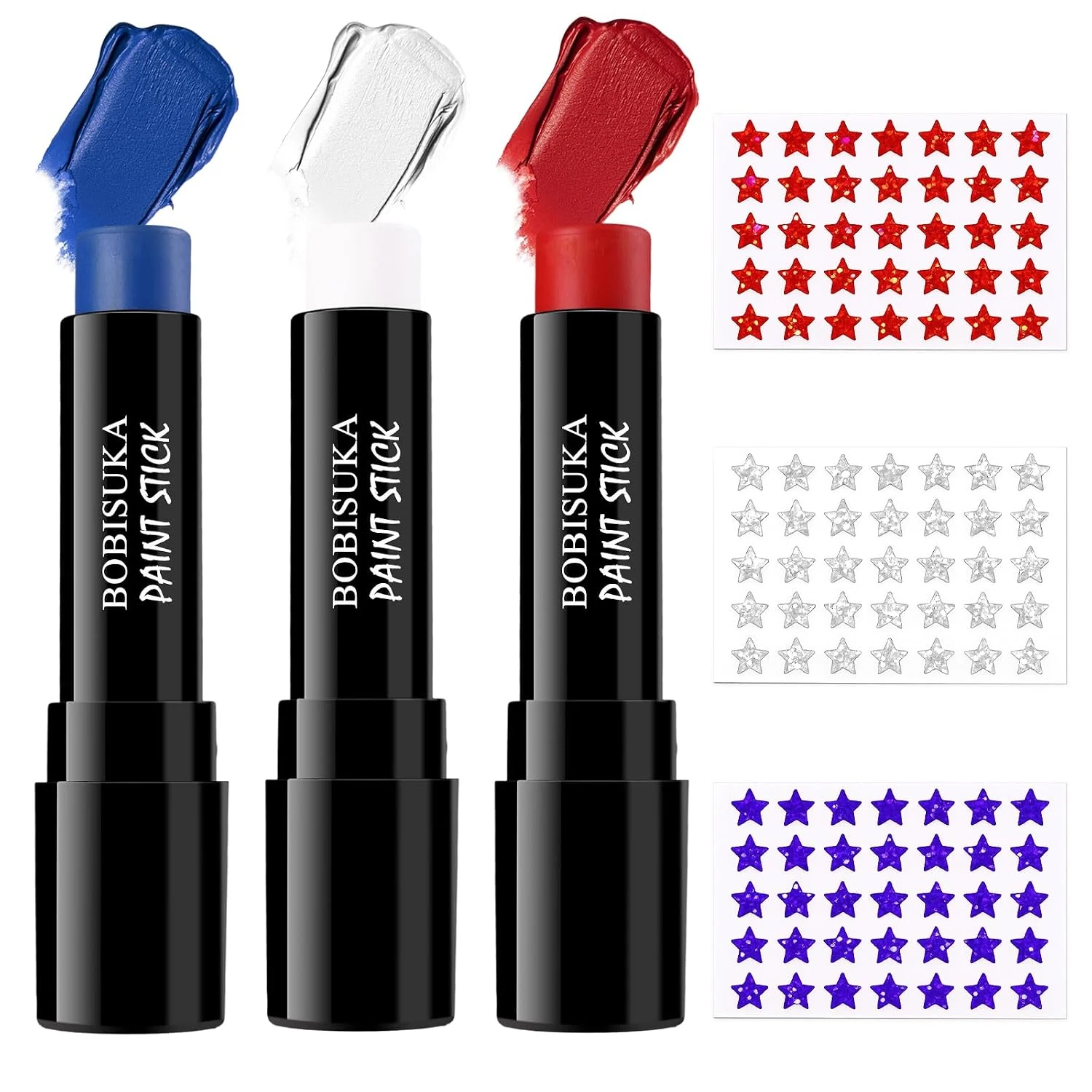
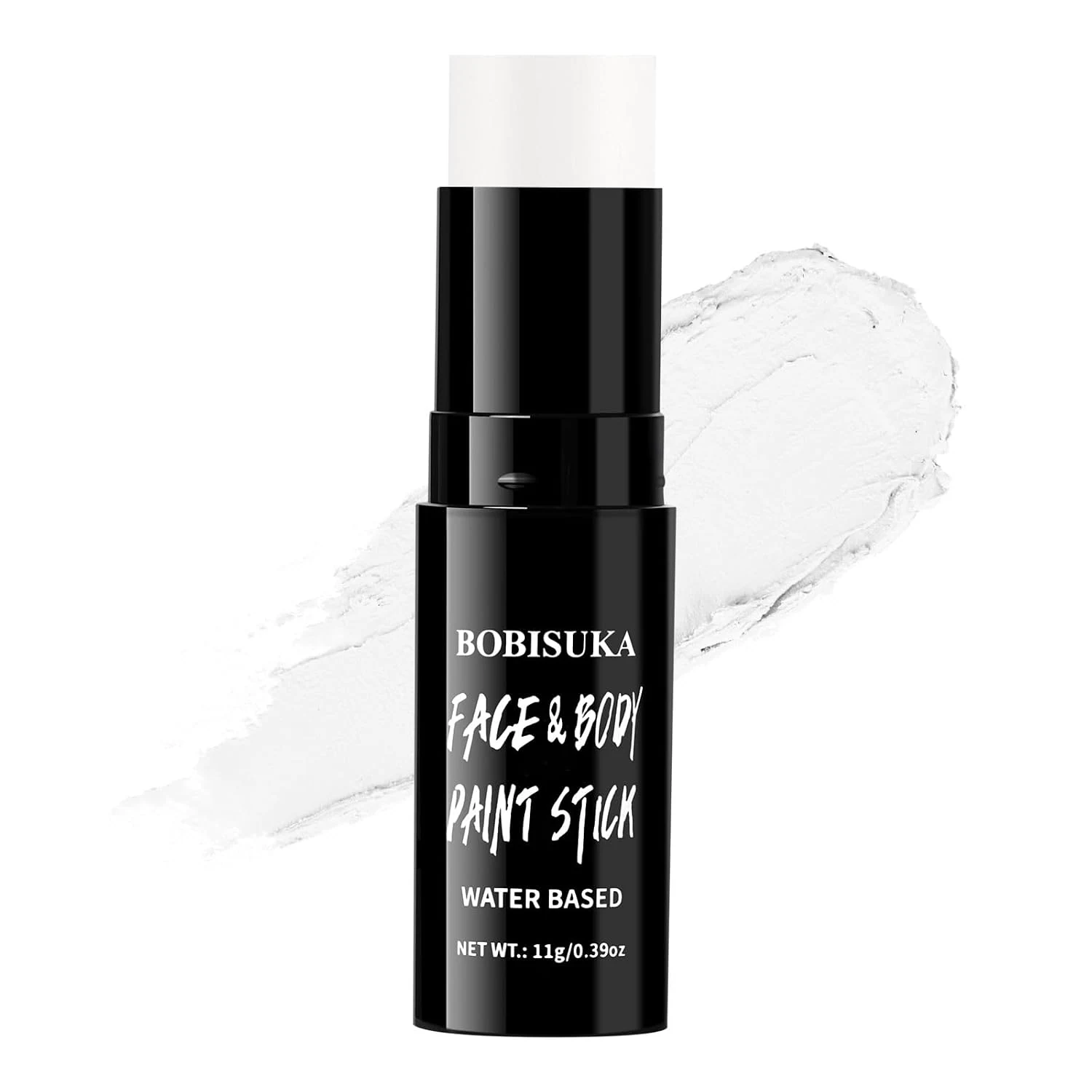
Sticks
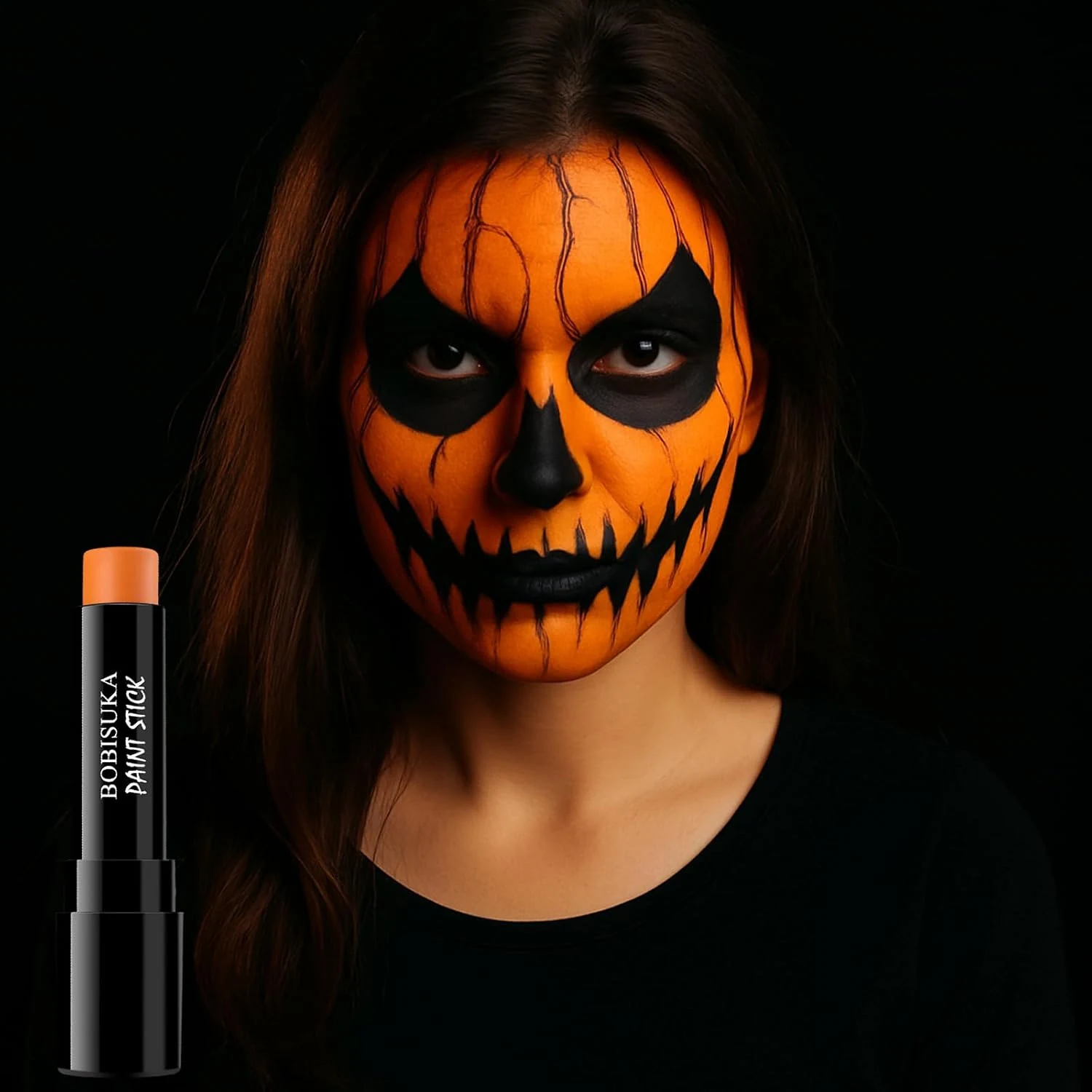
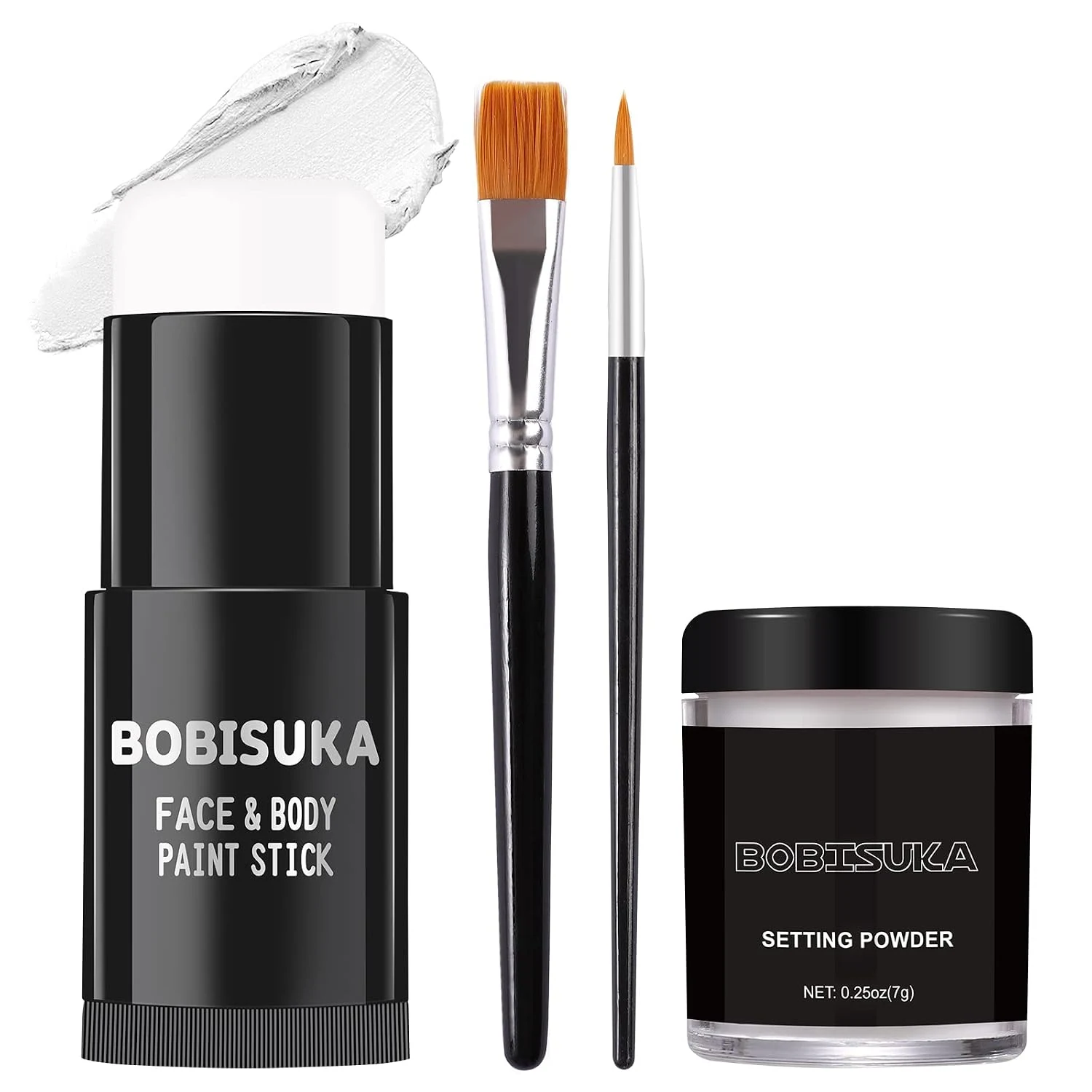
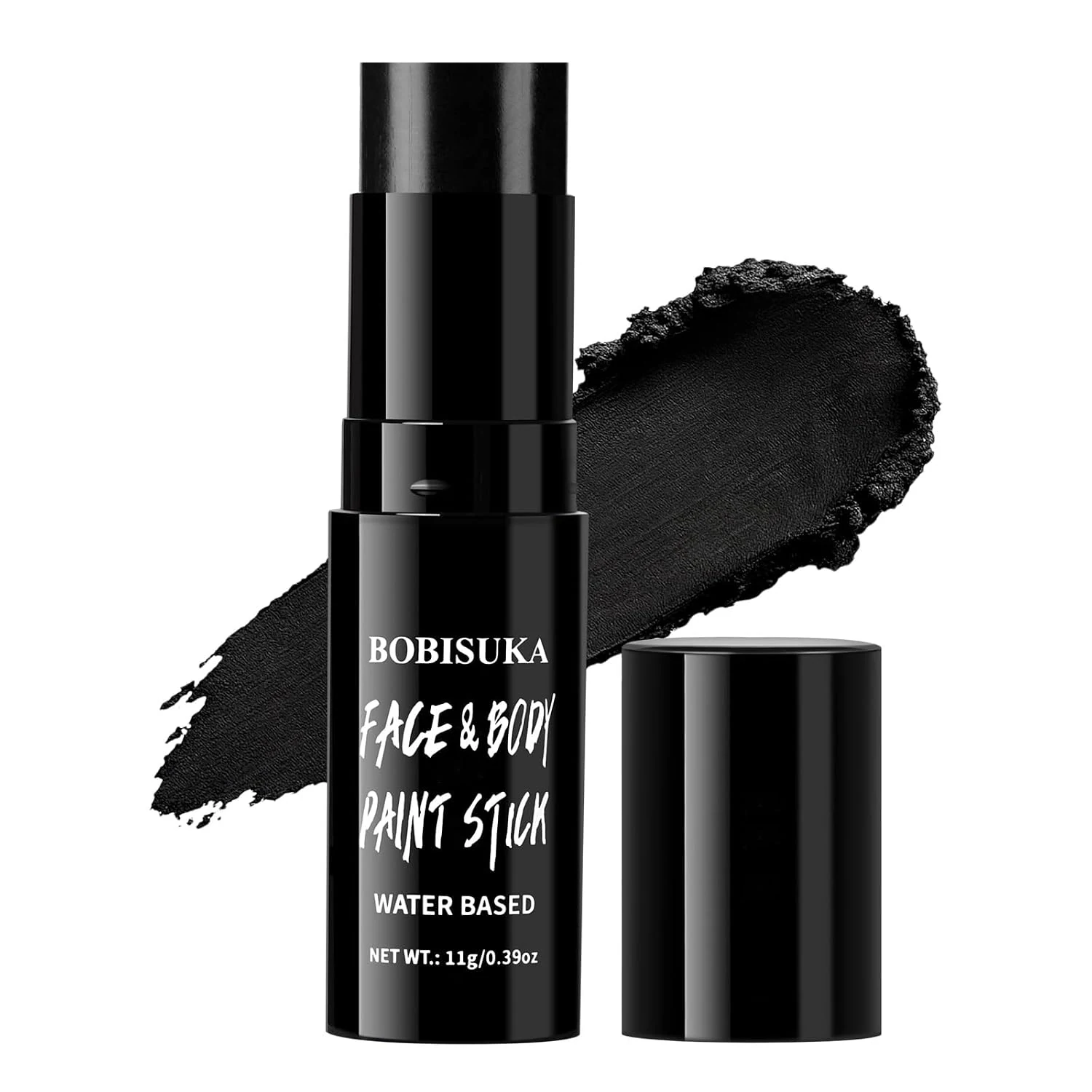
A stick twists up like a crayon and draws straight onto skin. No water, no sponge, no palette open on a bathroom shelf, and you can carry one in a pocket and fix a line in a car park.
It buys speed and costs finesse. A stick lays a firm block or a clean stripe and will not give you a soft edge without a brush over the top, and the tip is too blunt for fine line work. For an eye black, a jaw line or a fast block of colour it is the quickest thing here.
Twist-up sticks and eye black
So which one
| If the evening is | Pick | Because |
|---|---|---|
| a children's party | water-activated | loads fast, sets hard, comes off with soap |
| a stage or a camera | oil-based | holds colour under light, does not go chalky |
| a bruise or a wound | cream | blends into skin, takes an effect on top |
| a match on Saturday | a stick | survives sweat and a forearm wipe |
| a full face on a cold pavement | water-activated with a cream detail | the cake holds, the cream does the edges |
What none of them do
None of this is long-wear cosmetic makeup, and a painted face is not a twelve-hour proposition without touching it up. Metallics and pale pastels read weaker over darker skin and want a white pass underneath to sit up properly. And every formula here has a removal method that belongs to it, which is the one piece of advice the regulator puts most plainly.
The U.S. Food and Drug Administration puts it this way:
How you take the stuff off is as important as how you put it on. Remove it the way the label says.Read on 19 September 2026 at fda.gov.
Sources
- Novelty Makeup. U.S. Food and Drug Administration, read 19 September 2026.